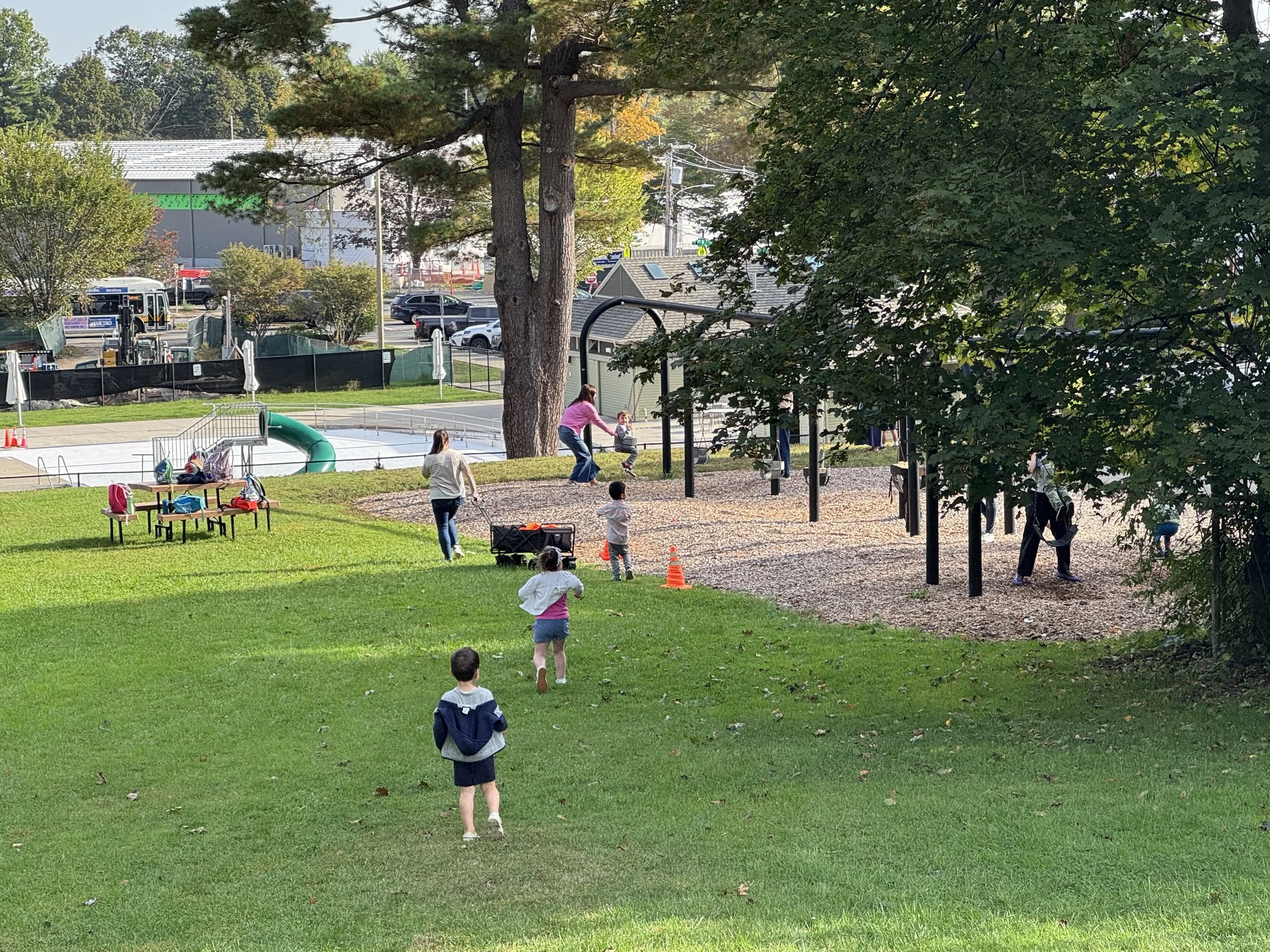
Transitional Kindergarten: Is a Bridge Year Right for Your Child?
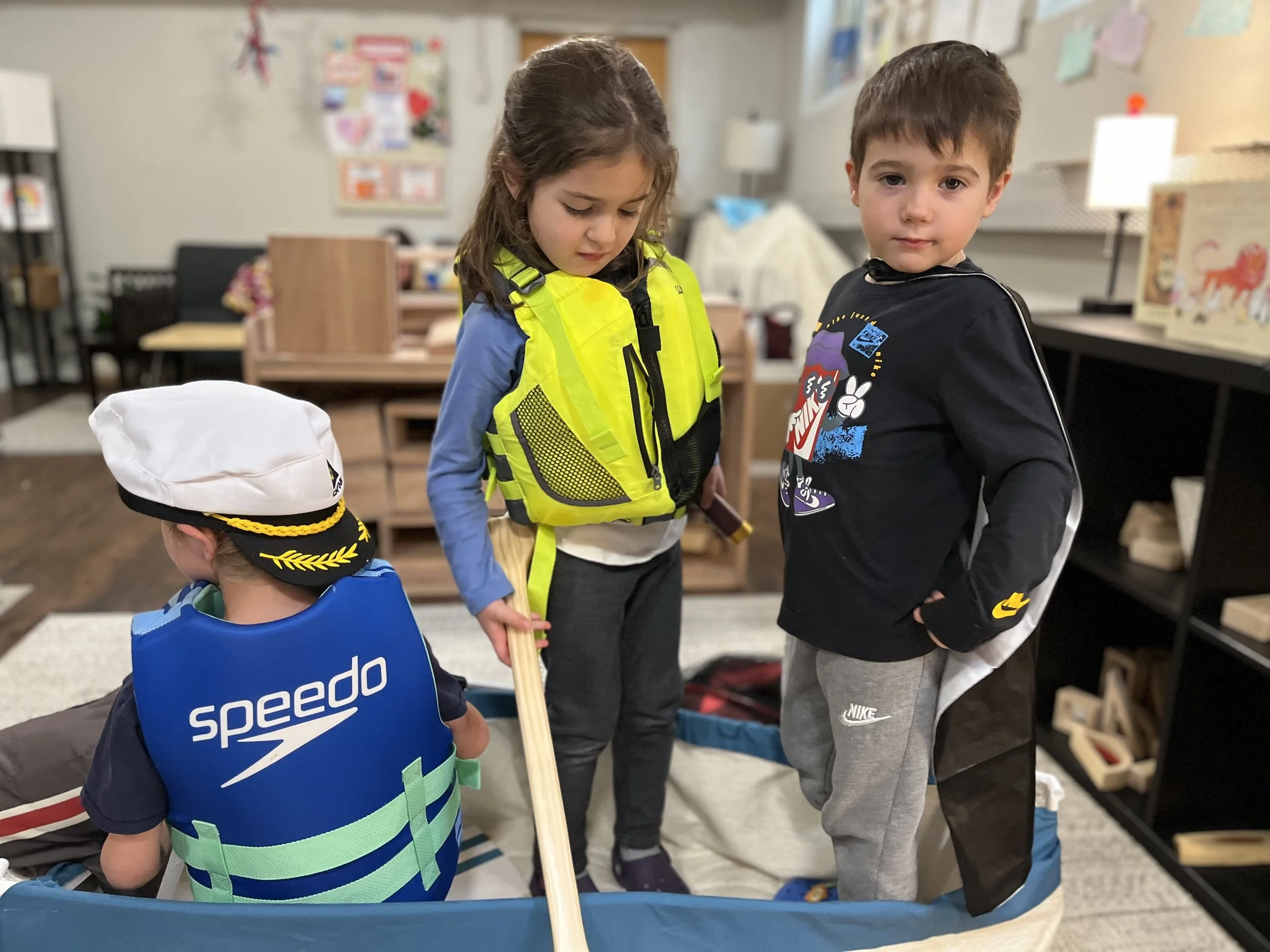
If you are on this page, you are probably facing one of two situations. Either your child turns five just after the kindergarten cutoff and the decision has been made for you, or your child is technically eligible and you are wondering whether they are ready, which is a much harder place to be.
This page is about how to think it through. How our Birch pre-K class works as a bridge year comes further down.
The Kindergarten Cutoff
Belmont Public Schools requires a child to be five on or before September 1 of the year they start kindergarten, with no exceptions. Waltham uses the same date; Arlington and Cambridge use August 31. That produces two groups of children:
The fall birthday: A child turning five in September, October, November or December can’t start yet, however ready they seem, and will be among the oldest in their eventual class. There is no decision to make, only a year to fill well.
The summer birthday: A child turning five in June, July or August can start, and will be among the youngest. This is the real decision, and the one families agonize over.

How Birch Works as a Bridge Year
A bridge year should give a child more responsibility, not more instruction. In Birch, that means two things:
Longer projects, not repeated ones: Investigations run for weeks and take planning, negotiation, writing and counting, all in service of something the children want to finish. A second year isn’t a repeat, because the work was never a fixed curriculum.
Being the oldest in the room: Birch children are the oldest at BCNS. They show new three-year-olds where things go, and being looked up to is often what a not-quite-ready five-year-old most needs.
This decision benefits from a conversation more than a webpage. Book a tour and watch Birch for half an hour: twenty minutes in the room can tell you more than a month of deliberation.
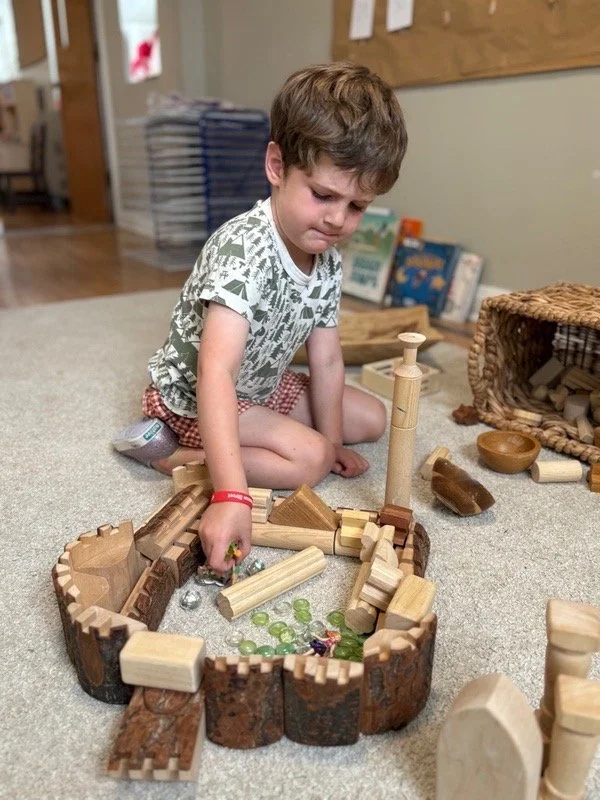
FAQs: Transitional Kindergarten
-
Transitional Kindergarten, often called a bridge year, is a year between preschool and kindergarten for children who are old enough for preschool but not yet eligible for, or not yet ready for, kindergarten. It gives a child time to grow in confidence, independence and social maturity.
-
The research on waiting a year is genuinely mixed, and it rarely comes down to letters and numbers. Children who struggle as the youngest in a class usually struggle with the length of the day, the noise, the transitions and the social negotiation. Useful questions: Can your child manage a full school day without being overwhelmed by late afternoon? After a falling-out with a friend, can they recover without an adult fixing it? Can they hold on to an instruction, and ask when they have not understood? Are they pulling toward more challenge? And ask your child’s current teacher directly. Most will give you a straight answer if you ask for one.
-
Yes. Birch, our pre-K class for four- and five-year-olds, works as a transitional kindergarten year. It meets Monday to Thursday from 9:00 to 12:00 with an optional Friday, spends every other Monday at Mass Audubon's Habitat sanctuary in Belmont, and offers Elm Extended Day to a 2:30, 4:00 or 5:00 PM pickup.
-
It can be, if the second year simply repeats the first. A bright child who has been marking time arrives at kindergarten bored rather than ready. The opposite mistake is an academic pre-K full of worksheets, which can turn a child off school before it begins. A good bridge year gives a child more responsibility, not more instruction: harder problems, longer projects, and a role as one of the oldest in the room.
-
Yes. Children leave Birch with the skills kindergarten teachers value most: listening, negotiating with peers, managing their own things, and approaching new challenges with curiosity rather than anxiety.
-
Yes. BCNS families come from Arlington, Watertown, Cambridge and Waltham as well as Belmont, and all are welcome in Birch.